
Normal blood pressure is an important basis for heart health, circulation and wellbeing. Because values fluctuate during everyday life, regular measurements under similar conditions are especially useful.
What is normal blood pressure?
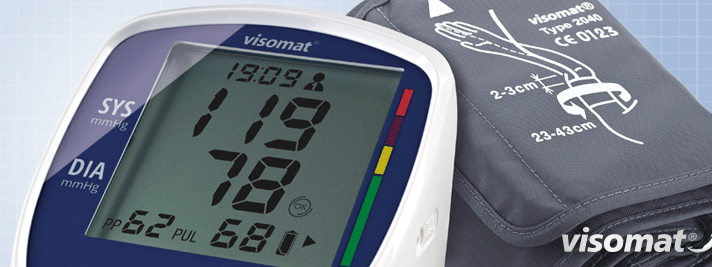
Blood pressure consists of two values: systolic and diastolic. The systolic value occurs when the heart contracts, the diastolic value during the relaxation phase.
Guide values for adults
| Category | Systolic | Diastolic |
|---|---|---|
| Low blood pressure | below 100 or 110 mmHg | below 60 mmHg |
| Normal blood pressure | 100 or 110 to 129 mmHg | 60 to 84 mmHg |
| High-normal blood pressure | 130 to 139 mmHg | 85 to 89 mmHg |
| High blood pressure | from 140 mmHg | from 90 mmHg |
Measure normal blood pressure correctly
Measure after a few minutes of rest while seated. The cuff should fit, the arm should be relaxed and supported, and the measurement should be taken without talking or moving.
Why monitor even normal values?
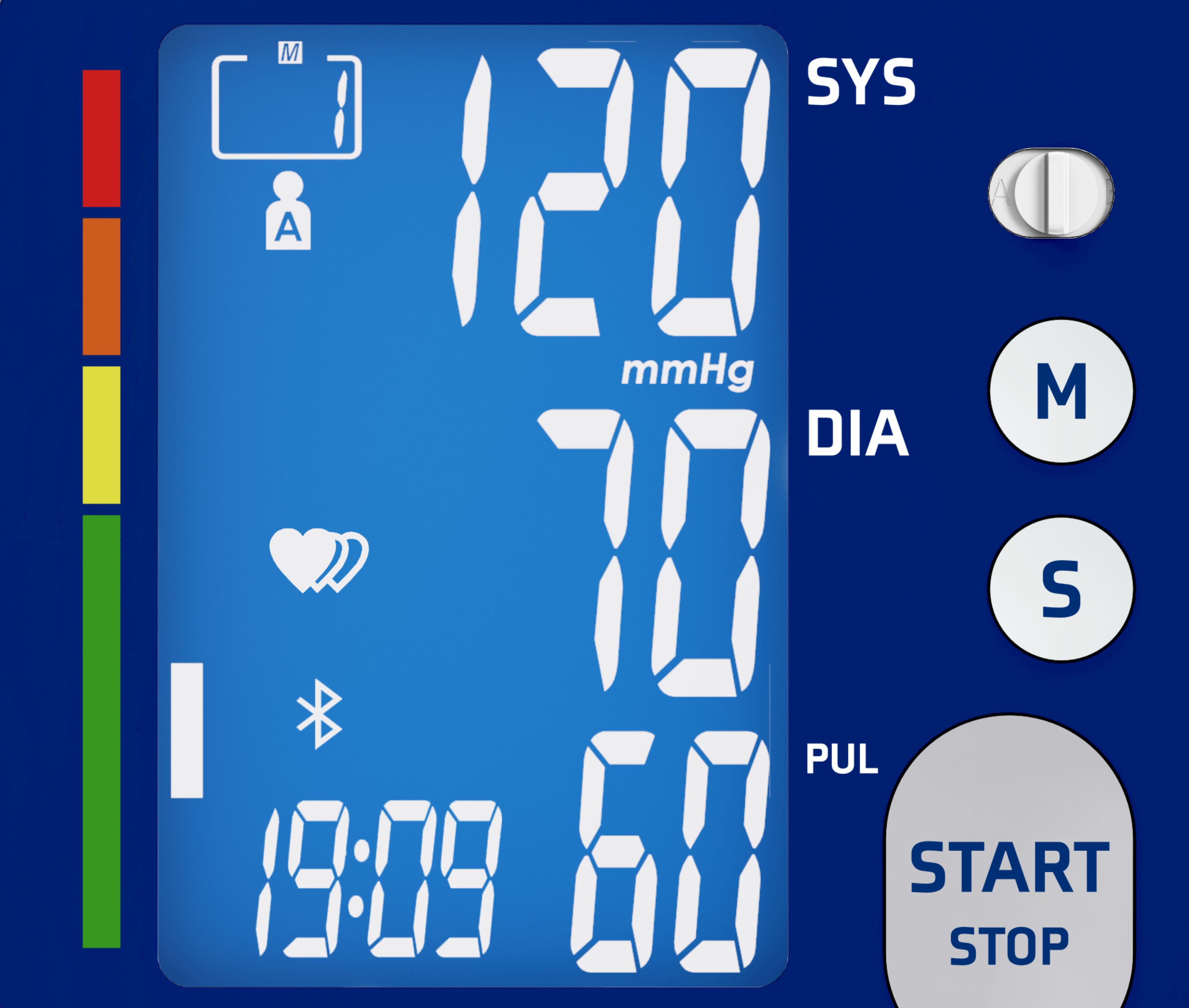
High blood pressure often causes no symptoms for a long time. Regular self-measurement helps detect changes early and provides useful trends for medical appointments.